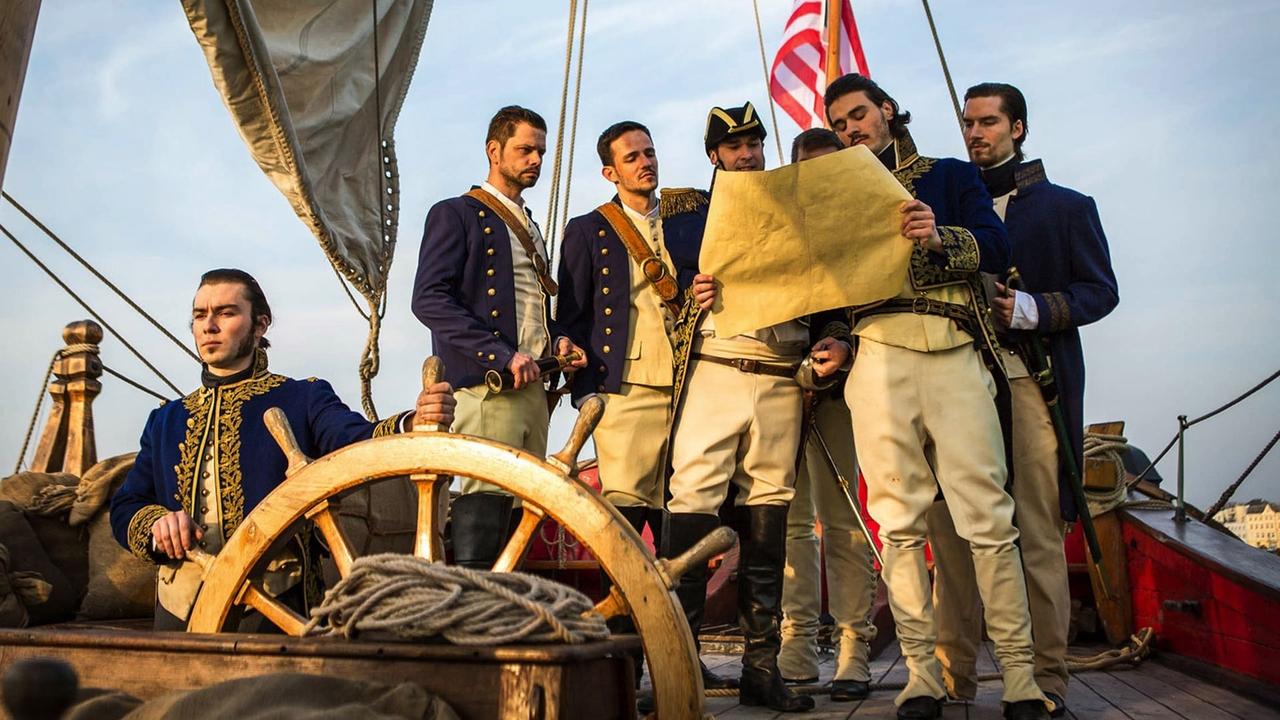
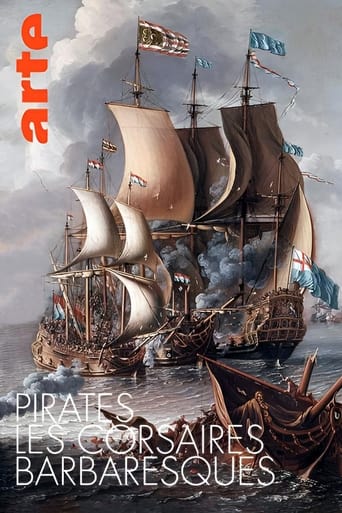
The Barbary Corsairs
In the 18th century, the Barbary threat became serious. In July 1785, two American boats were returned to Algiers; In the winter of 1793, eleven American ships, their crews in chains, were in the hands of the dey of Algiers. To ensure the freedom of movement of its commercial fleet, the United States was obliged to conclude treaties with the main Barbary states, paying considerable sums of money as a guarantee of non-aggression. With Morocco, treaty of 1786, 30,000 dollars; Tripoli, November 4, 1796, $56,000; Tunis, August 1797, 107,000 dollars. But the most expensive and the most humiliating was with the dey of Algiers, on September 5, 1795, “treaty of peace and friendship” which cost nearly a million dollars (including 525,000 in ransom for freed American slaves). , with an obligation to pay 20,000 dollars upon the arrival of each new consul and 17,000 dollars in annual gifts to senior Algerian officials...
Trailer
Actors

Manou Lubowski
Stephen Decatur

Alexander von der Groeben
Hark Olufs (old)

Timur Bartels
Hark Olufs (young)

Leon Boden
Narrator (voice)
You may like

Ancient Algiers

China Is Still Far

The Pan-African Festival in Algiers

Aleph
Mouloud Feraoun

Da L'Mulud

Algeria: Drink, Smoke and Love

1983, The Marchers for Equality

A French Youth
Vote off
Algeria 1954, The Revolt Of A Colonized
Les Mains Libres

Des femmes
Raï Story: From Cheikha Rimitti to Cheba Djenet
L'Algérie de Gustave Guillaumet (1840-1887)
L'Orientalisme
October 17, 1961: A day that went missing
Guns of Freedom

Fata Morgana

Come See Me in the Good Light
4 Little Girls

Making The Witcher
Seven Up!

Louis Theroux: Twilight of the Porn Stars