

Mikio Naruse 100th Birth Anniversary
Because his style was similar to that of Yasujiro Ozu, who was already active at Shochiku, he moved to PCL (currently Toho) in 1933, where he appeared in the talkie works "My Wife, Like a Rose" and "Tsuruhachi Tsurujiro." It got attention. There were times when he was unable to make as many films as he wanted due to wartime film regulations and post-war Toho disputes, but in 1951 he revived his career with Meshi. Since then, he has released masterpieces one after another, including "Okaasan," "Lightning," "The Couple," "Wife," "Anii Mouto," "Sounds of the Mountain," and "Bangiku." The pinnacle of his work, "Floating Clouds," is Kenji Mizoguchi's "Wife." Even director Ozu was impressed, calling it a masterpiece of Japanese cinema, on par with "The Sisters of Gion." He depicted ordinary people in everyday life with an everyday realism that was not influenced by lyricism, and he consistently sought out women as his subjects.
Trailer
Actors
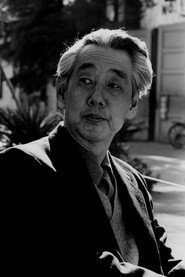
Mikio Naruse

Akira Takarada
Voiceover
You may like

Grisha
Kurosawa's Way

Call Time
The Ozu Diaries
Shohei Imamura: The Free Thinker

The Simplicity of Two Lives Between the Riot of the World
Godard Cinema

Hans Zimmer & Friends: Diamond in the Desert

Yellow Door: '90s Lo-fi Film Club
High Noon on the Waterfront

Altman
Kenji Mizoguchi: The Life of a Film Director
Symbiopsychotaxiplasm: Take One

Entretien en six temps avec Gilles Groulx
ABC Primetime: Mel Gibson's Passion
The Mythology of Star Wars

Adagio pour un gars de bicycle

Welcome to Lynchland
In the Realms of the Unreal
The Kingdom of Dreams and Madness
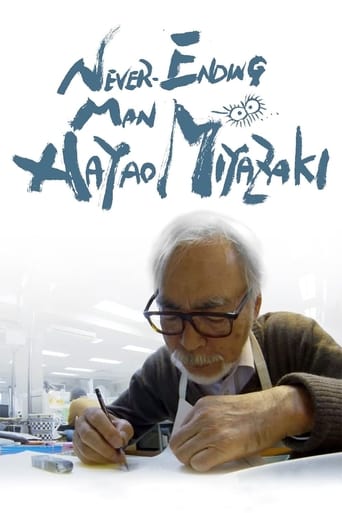
Never-Ending Man: Hayao Miyazaki

Cameraperson

Seduced and Abandoned

Obi-Wan Kenobi: A Jedi's Return