
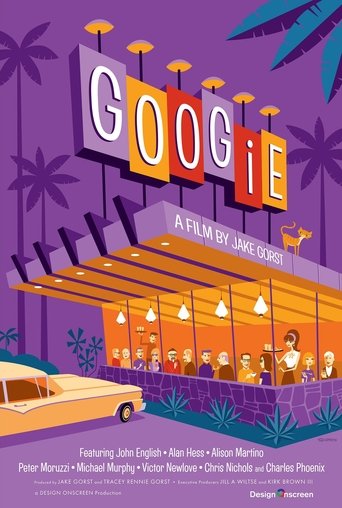
Googie
Googie architecture was one of the most visually exuberant and culturally formative design movements of the mid-20th century, yet it remains widely misunderstood. Defined by bold angles, sweeping rooflines, neon signage, and a sense of space-age optimism, Googie transformed everyday buildings into roadside spectacle. Coffee shops, bowling alleys, car washes, banks, and churches were designed not just for function, but to captivate motorists cruising by. Rooted in Los Angeles, the movement drew inspiration from visionary architects such as Frank Lloyd Wright and John Lautner, while firms like Armet & Davis brought futuristic flair to the commercial landscape. Though many original structures have been lost, preservationists now champion Googie as a serious architectural expression—one that captured the aspirations of postwar America and reshaped the visual identity of the modern city.
Trailer
Actors
Alison Martino
Alan Hess
You may like
Franz Kafka's 'The Trial'
Bauhaus 100

Amancio Williams
Gaudi: His Life and Works

Congonhas do Campo

Heavy Architecture

Where to with History?
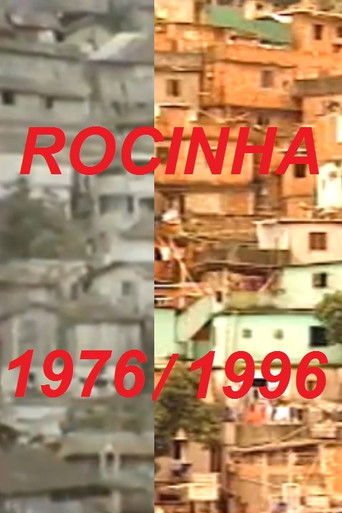
Rocinha 76/96
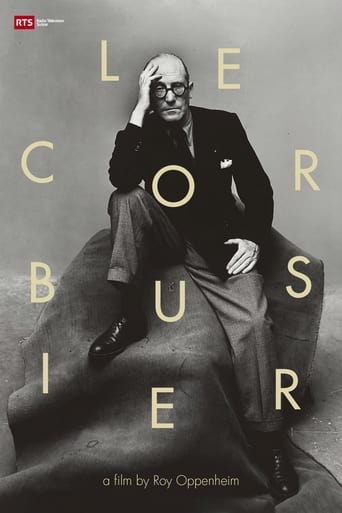
Le Corbusier
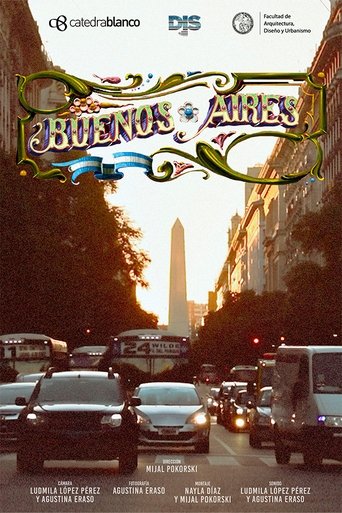
Buenos Aires

The Blue Years
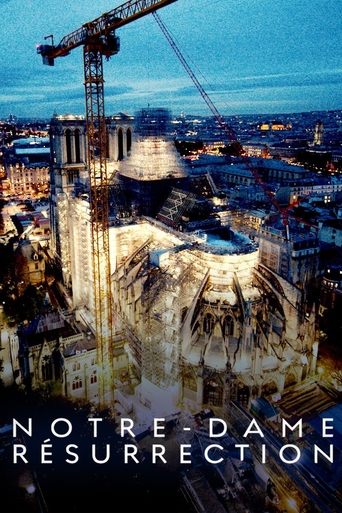
Notre-Dame Résurrection
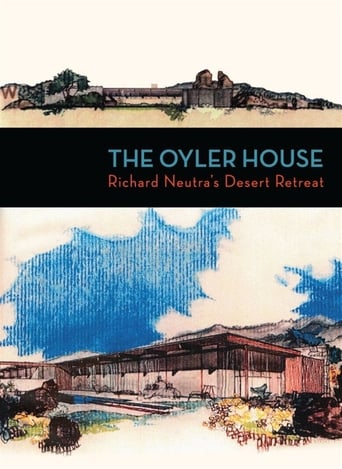
The Oyler House: Richard Neutra's Desert Retreat
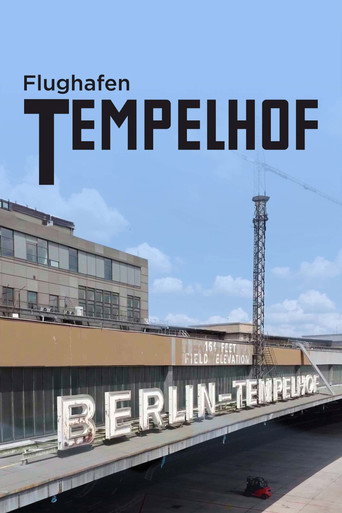
Berlin Tempelhof Airport - Gateway to Freedom

Coast Modern
Helvetica
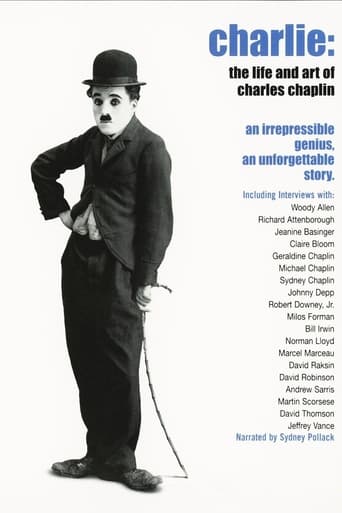
Charlie: The Life and Art of Charles Chaplin
Looking for Richard

Harmontown

Avatar: The Deep Dive - A Special Edition of 20/20

A Toxic Love Story

Gilbert

Chadwick Boseman: A Tribute for a King

Naqoyqatsi