Mamay
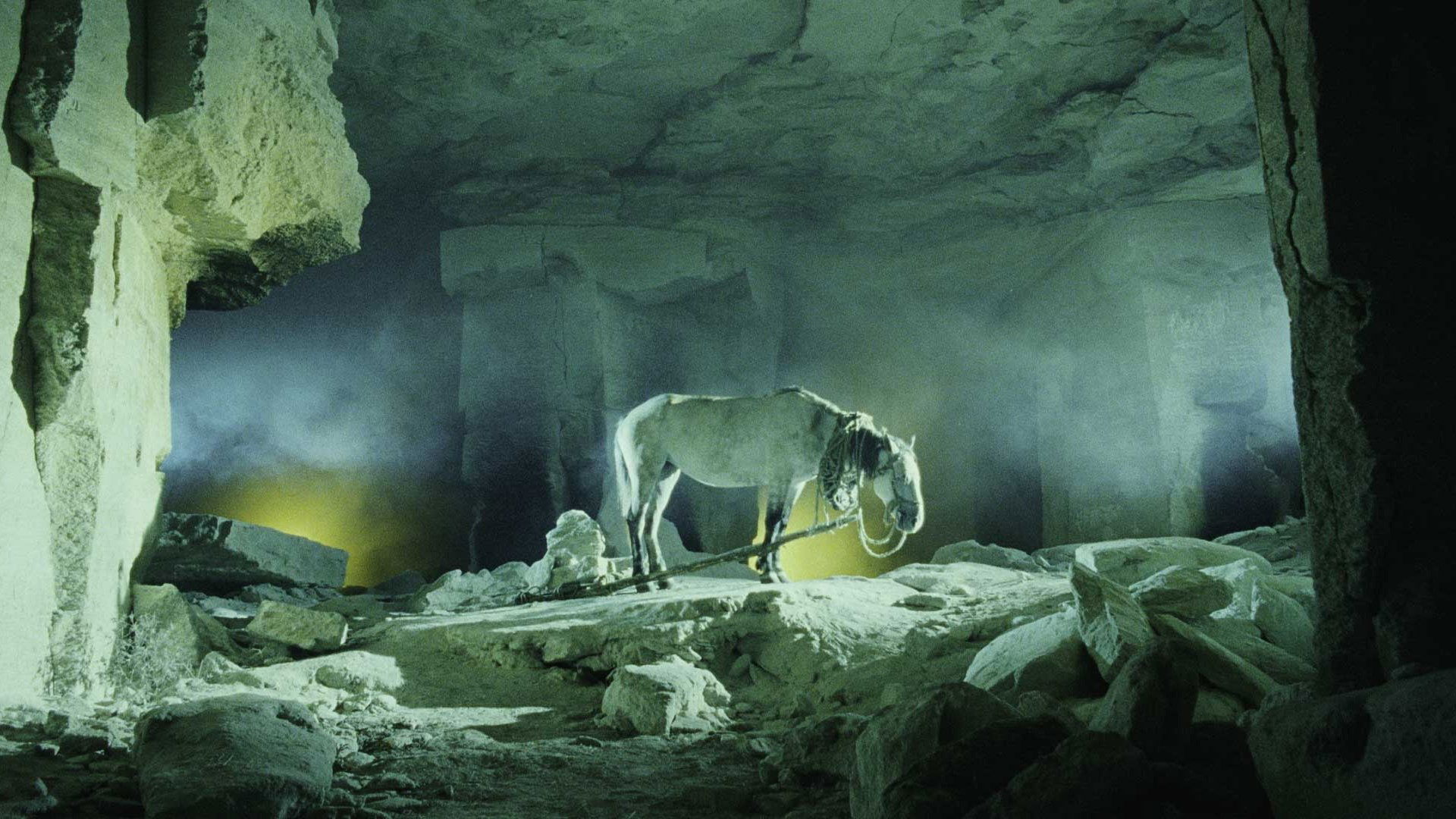
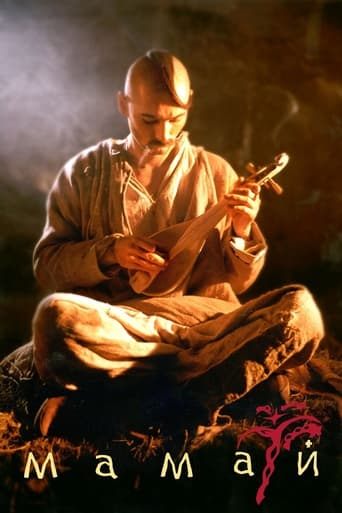
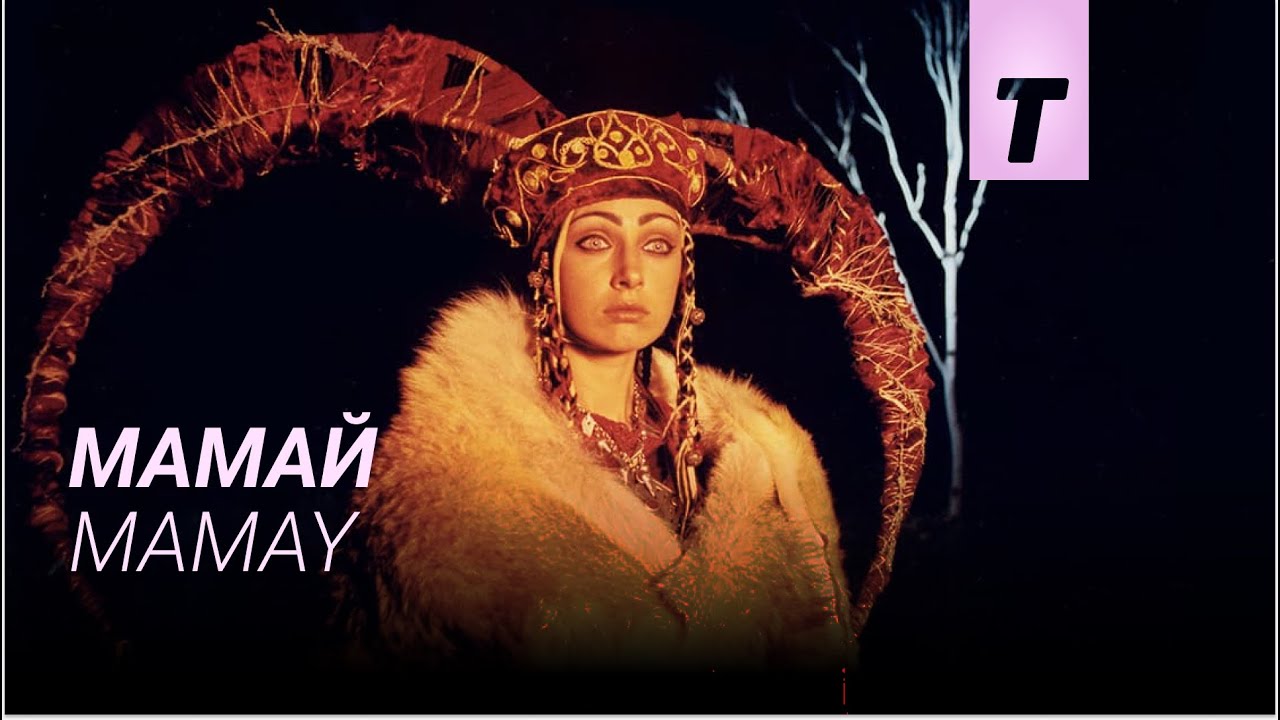
Mamay draws on traditional Ukranian and Tatar folktales for its Romeo and Juliet-like love story and parable about chivalry and the struggle for freedom. Hundreds of years ago, in the wild steppes of Crimea that form an uneasy border between East and West, Europe and Asia, nomad and farmer, the proud Cossack Mamay falls in love with the Tatar beauty Omai. The title, like the storyline, holds a variety of different meanings taken from different cultures. In Turkic languages, it means "no one," but it was also the name of a famous Mongol conqueror, the great grandson of Ghengis-Khan. In Persian legends, mamay literally means "the spirit of the steppes. "
Trailer
Actors
Andrii Bilous
Mamay

Viktoria Spesivtseva
Tatar woman
Nazl Sejtablaeva
Little Tatar girl
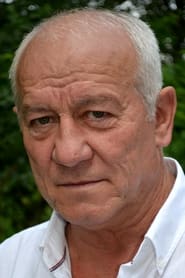
Serhii Romaniuk
Eldest brother

Oles Sanin
Middle brother
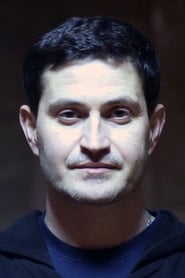
Akhtem Seitablaiev
Tatar warrior
Eldar Akimov
Tatar warrior
Emil Rasilov
Tatar warrior
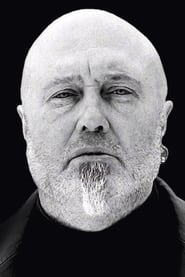
Andrii Sereda
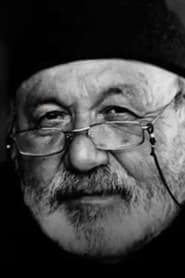
Shevket Seydametov
Dmytro Sanin

Serhiy Marchenko
Eldar Dzhelilov
You may like
The Oath
The Enchanted Desna
Oedipus Rex
Deliverance

Black Orpheus
Die Nibelungen: Kriemhild's Revenge

Mughal-e-Azam
Arsena
Die Nibelungen: Siegfried
what disappeared
All Small Bodies

Mulan: Rise of a Warrior
Queen of Serpents
National Theatre Live: Medea

Atanarjuat: The Fast Runner

Sita Sings the Blues

Real Haunts 4
Nobleza baturra

Radium Girls

Munich - The Edge of War
Mr. Jones
Dovbush

Invincible

Suffragette